- Home
- Page
Bio-fertilizers
Bio-Fertilizers: Nurturing Soil and Promoting Sustainable Agriculture
In an era increasingly focused on sustainable practices, bio-fertilizers are gaining recognition as a vital component of modern agriculture. These natural fertilizers, composed of beneficial living microorganisms, offer a compelling alternative to chemical fertilizers, fostering soil health and supporting robust plant growth in an environmentally friendly manner.
Understanding Bio-Fertilizers
Bio-fertilizers harness the power of nature’s tiny workforce – beneficial bacteria and fungi. These microorganisms enhance soil fertility through various mechanisms, including:
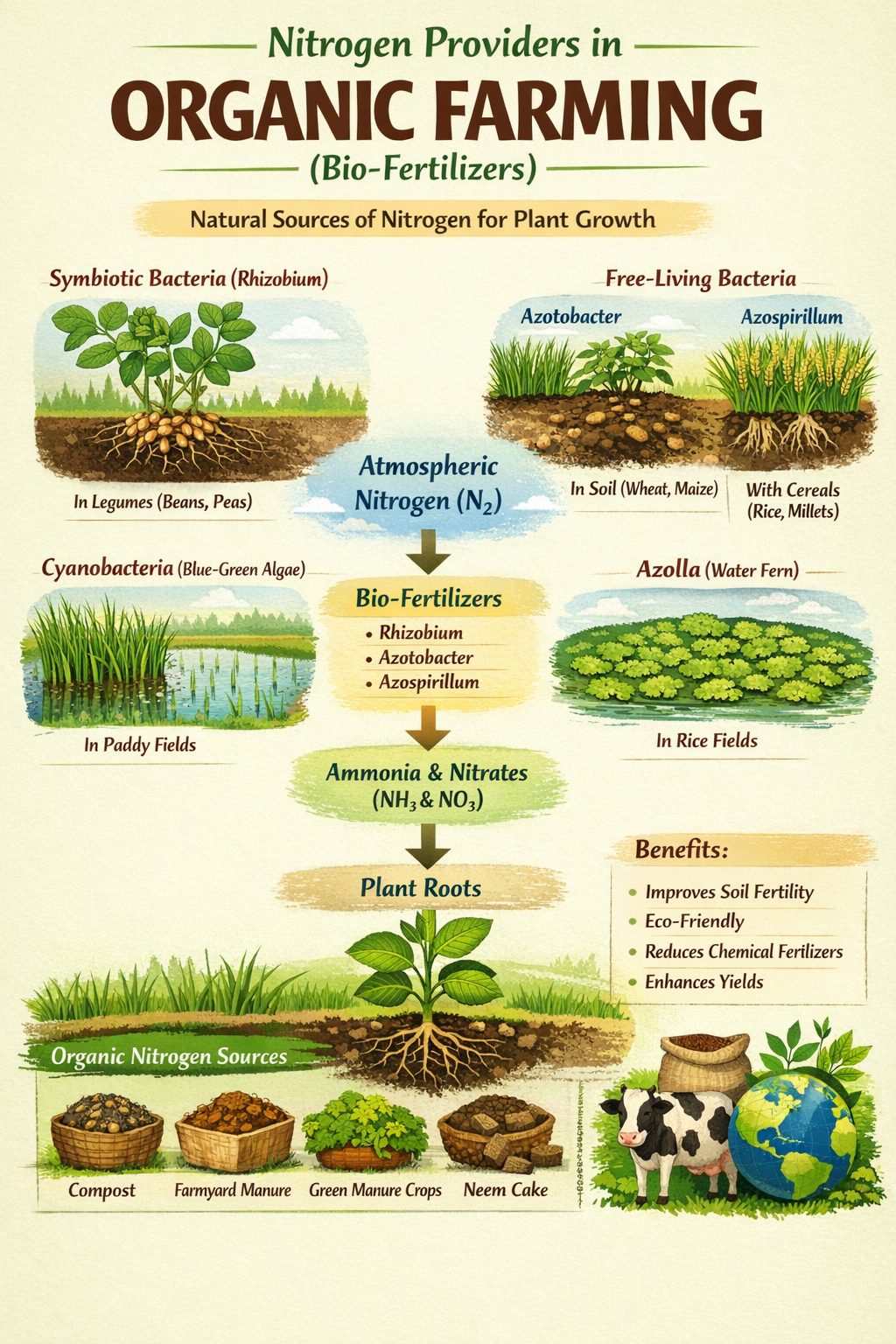
- Nitrogen Fixation: Converting atmospheric nitrogen into a usable form for plants.
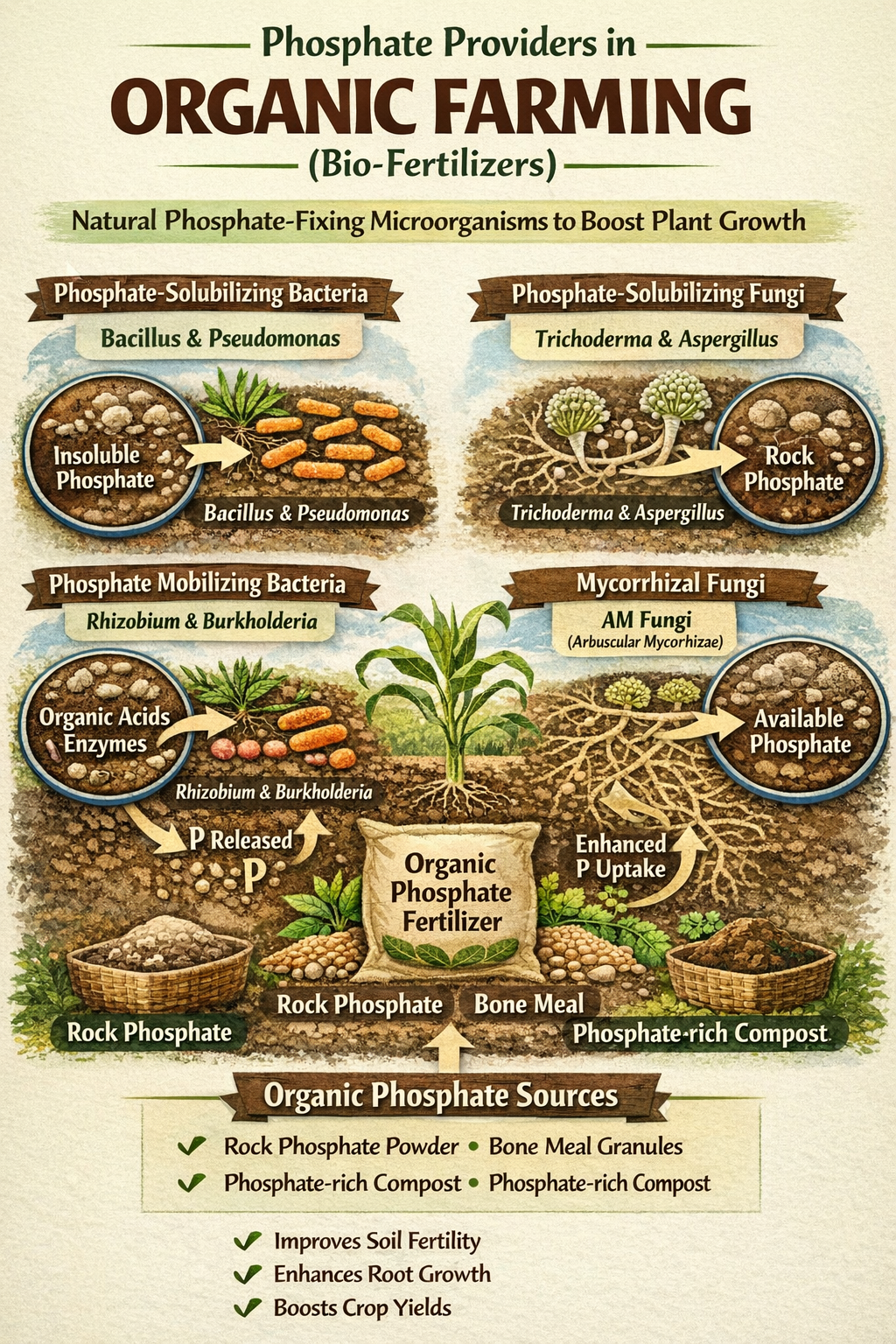
- Phosphate Solubilization: Dissolving insoluble phosphorus compounds in the soil, making them accessible to plants.
- Nutrient Mobilization: Facilitating the uptake of essential nutrients by plant roots.
Unlike their chemical counterparts, bio-fertilizers are safe for the soil, crops, animals, and humans. They promote a healthy soil ecosystem, leading to long-term sustainability in agricultural practices.
Home Production: A Simple Approach
Farmers can produce bio-fertilizers at home using readily available and low-cost materials. A simple method involves mixing fresh cow dung, cow urine, jaggery, gram flour, fertile soil, and water in a drum. The mixture is stirred daily and allowed to ferment in a shaded area for 5-7 days. This fermentation process enriches the liquid with beneficial microbes, creating a potent bio-fertilizer ready for application.
Application Methods and Suitable Crops
Bio-fertilizers can be applied through various methods, including:
- Seed Treatment: Coating seeds with bio-fertilizers before planting.
- Root Dipping: Dipping seedling roots in a bio-fertilizer solution before transplanting.
- Soil Application: Applying bio-fertilizers directly to the soil.
- Foliar Spray: Spraying bio-fertilizers on crop foliage.
These natural fertilizers are suitable for a wide range of crops, including paddy, vegetables, fruits, pulses, and cotton, making them a versatile solution for diverse farming systems.
Benefits of Bio-Fertilizer Use
Regular use of bio-fertilizers offers numerous advantages:
- Improved Soil Structure: Enhances soil aggregation and water-holding capacity.
- Increased Root Growth: Promotes stronger and more extensive root systems.
- Enhanced Crop Yield: Contributes to increased productivity and higher yields.
- Reduced Fertilizer Costs: Decreases reliance on expensive chemical fertilizers.
- Long-Term Soil Health: Fosters a healthy and balanced soil ecosystem.
While the effects of bio-fertilizers may be gradual compared to chemical fertilizers, they provide a sustainable and eco-friendly approach to farming, ensuring the long-term health and productivity of the soil.
Bhumi Upchar: A Traditional Nourishment Technique
Beyond basic bio-fertilizer production, traditional practices like Bhumi Upchar offer a holistic approach to soil revitalization. Bhumi Upchar, meaning “soil treatment,” utilizes a blend of natural ingredients, including cow dung, cow urine, cow milk, curd, ghee, sugarcane juice, coconut water, and banana paste, to replenish depleted nutrients and restore the soil’s natural balance.
This method involves fermenting the mixture for seven days, followed by dilution and incorporation into the soil before sowing. Bhumi Upchar not only revives soil health and fertility but also leads to sustained yields, healthier and pest-resistant crops, and timely crop maturity.
The Power of Microbes
Organic liquid manures like Panchagavya, Beejamrutha, Jeevamrutha, and Bidigester are rich in beneficial microflora, including nitrogen fixers and phosphate solubilizers. These manures contain essential macro and micronutrients, fostering a thriving soil ecosystem. For example, Panchagavya contains Azotobacter, Azospirillum, and Phosphobacteria, along with bacteria, yeast, actinomycetes, photosynthetic bacteria, and certain fungi.
Conclusion
Bio-fertilizers and traditional soil nourishment techniques like Bhumi Upchar represent a paradigm shift towards sustainable and eco-friendly agriculture. By harnessing the power of nature’s microorganisms and natural ingredients, farmers can enhance soil health, promote plant growth, and ensure the long-term productivity of their land. Embracing these practices is not only beneficial for the environment but also essential for creating a sustainable and resilient agricultural system for future generations.
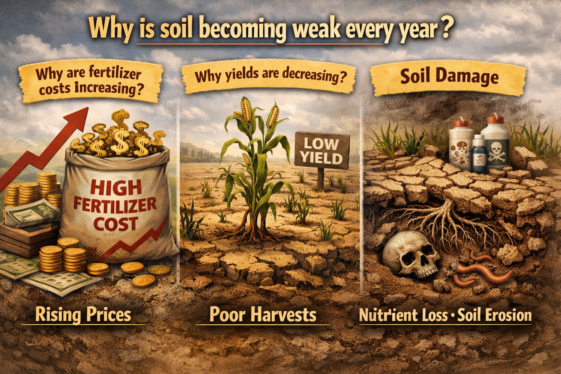
Think…
“Why is soil becoming weak every year?”
“Why are fertilizer costs increasing?”
“Why yields are decreasing?”
Today we learn about BIO-FERTILIZER — a natural fertilizer made from living microbes.
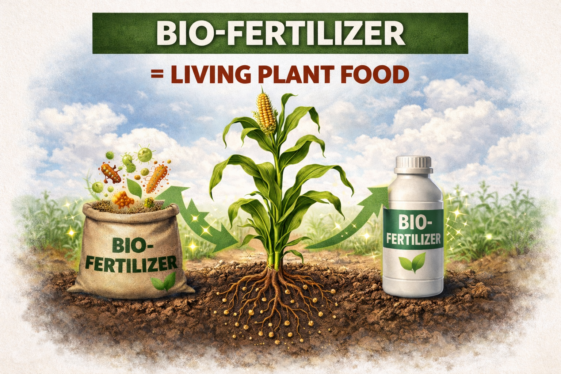
What is Bio-fertilizer?
Simple meaning:
Bio = Living
Fertilizer = Plant food
 Bio-fertilizer = Living plant food
It contains:
Good bacteria
Good fungi
Natural microbes
These live in soil and help crops grow.
“Feed the soil, soil feeds the crop, crop feeds the family.”
OR
“Healthy soil = Healthy crop = Healthy farmer”
What do Bio-fertilizers do?
They help to:
- Fix Nitrogen
- Dissolve Phosphorus
- Improve soil fertility
- Increase root growth
- Increase yield
“These microbes work like small workers inside soil.”
Types of Bio-fertilizers (Easy explanation)
1. Nitrogen providers
Give nitrogen to plants
Examples:
Rhizobium
Azotobacter
Azospirillum
2. Phosphate providers
Make phosphorus available
Example:
PSB
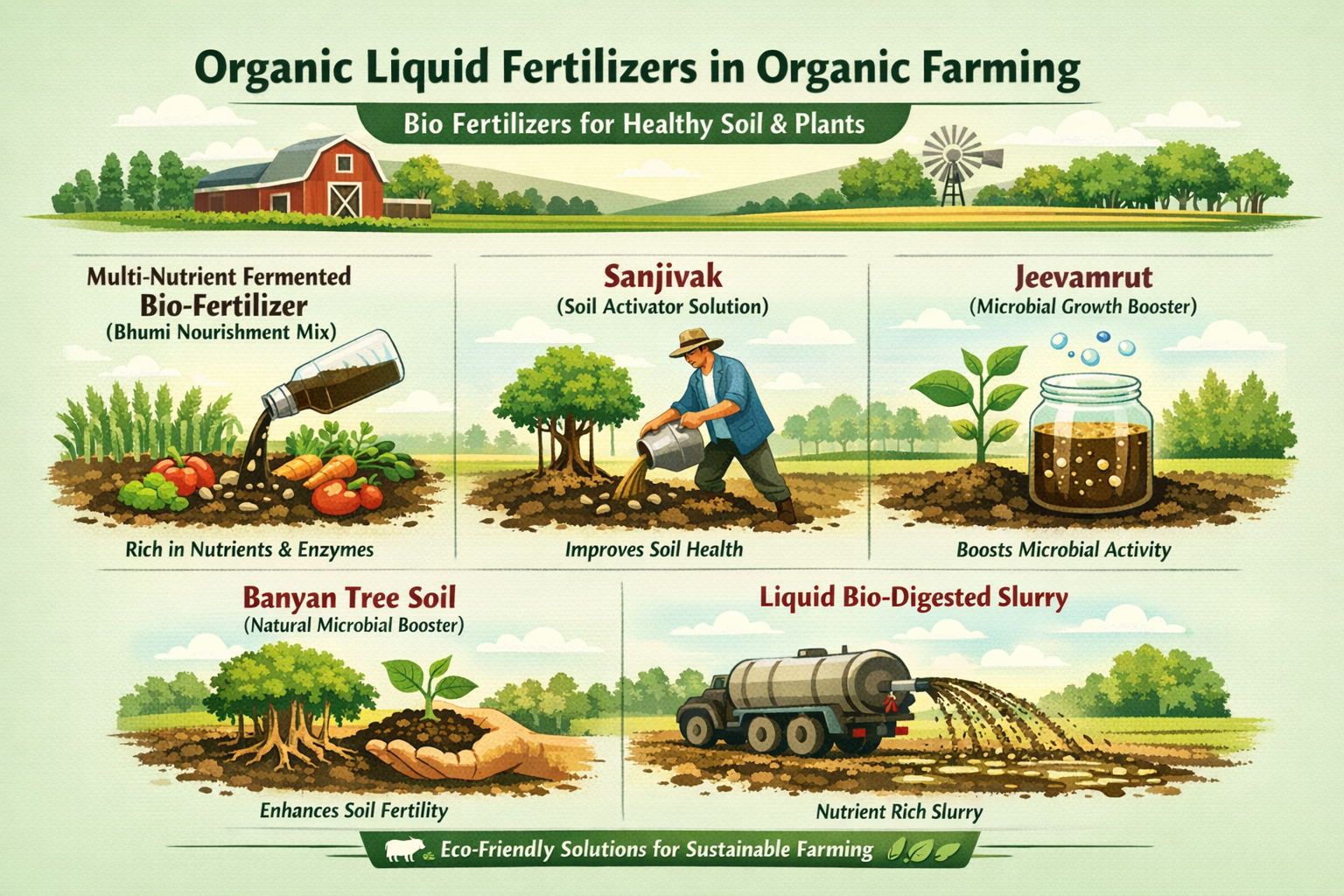
3. Organic liquid fertilizers
Homemade types like:
Multi-Nutrient Fermented Bio-Fertilizer (Bhumi Nourishment Mix)
Sanjivak (Soil Activator Solution)
- Jeevamrut (Microbial Growth Booster)
- Banyan Tree Soil (Natural Microbial Booster)
- Liquid Bio-Digested Slurry
Nitrogen Providers
Organic Liquid Fertilizers