- Home
- Page
Traditional Cultivation Methods
Traditional cultivation methods in organic farming refer to time-tested agricultural practices that rely on natural resources, ecological balance, and indigenous knowledge rather than synthetic fertilizers, pesticides, or genetically modified inputs. Long before modern chemical agriculture emerged, farmers across regions such as India, Nepal, and China sustained crop production through methods that worked in harmony with nature. These practices form the foundation of today’s organic farming systems because they maintain soil fertility, protect biodiversity, and promote sustainable food production.
One of the most important traditional methods is crop rotation. In this practice, different crops are grown sequentially on the same field across seasons or years. For example, cereals like rice or wheat may be followed by legumes such as beans or pulses. Legumes naturally fix nitrogen in the soil through root bacteria, improving soil fertility without chemical fertilizers. Crop rotation also breaks pest and disease cycles, reducing the need for pesticides. This simple technique improves yields while keeping the soil healthy over time.
Mixed cropping or intercropping is another widely used traditional approach. Farmers grow two or more crops together on the same piece of land, such as maize with beans or wheat with mustard. Each crop uses nutrients differently and occupies different layers of the soil, leading to efficient use of space and resources. Mixed cropping also reduces the risk of total crop failure and helps control pests naturally, as insects find it harder to attack multiple crops at once. This method increases biodiversity and stabilizes farm income.
Soil fertility management is central to organic farming, and traditional systems depend heavily on composting and animal manure. Compost is prepared from farm waste, crop residues, kitchen scraps, and leaves, which decompose into nutrient-rich organic matter. Similarly, farmyard manure made from cow or buffalo dung is applied to fields to enhance soil structure and microbial activity. These inputs improve water retention, aeration, and long-term productivity without polluting the environment. They also recycle waste, making farming more economical and eco-friendly.
Green manuring is another effective technique. Farmers grow fast-growing plants like sunhemp or cowpea and plough them back into the soil before flowering. These plants add organic matter and nitrogen, enriching the soil naturally. This practice enhances soil texture and supports beneficial microorganisms, which are essential for healthy plant growth.
Mulching, the practice of covering soil with straw, dry leaves, or grass, helps conserve moisture and control weeds. It protects the soil from erosion, reduces evaporation, and gradually adds organic matter as the material decomposes. Mulching is especially useful in dry or hot climates where water conservation is critical.
Traditional pest control methods also play a major role. Instead of chemical pesticides, farmers use natural solutions such as neem extracts, herbal sprays, and biological controls. These measures are safer for humans, animals, and beneficial insects while still protecting crops from damage.
In summary, traditional cultivation methods in organic farming emphasize sustainability, resource conservation, and ecological balance. By combining crop rotation, composting, mixed cropping, green manuring, mulching, and natural pest control, farmers maintain soil health and produce safe food. These methods demonstrate that agriculture can be productive while respecting nature and preserving the environment for future generations.
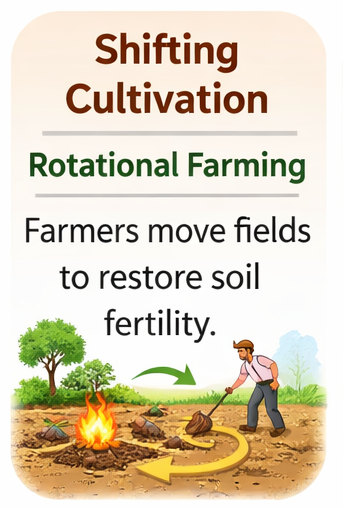
Shifting Cultivation
Rotational Farming
Farmers move fields to restore soil fertility.
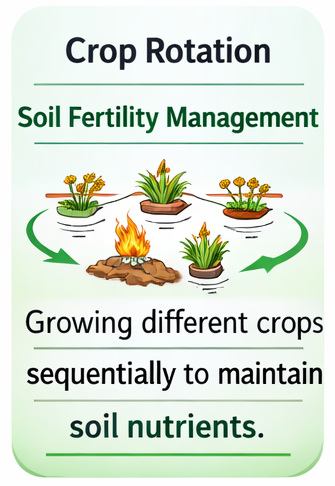
Crop Rotation
Soil Fertility
Growing different crops in sequence naturally.
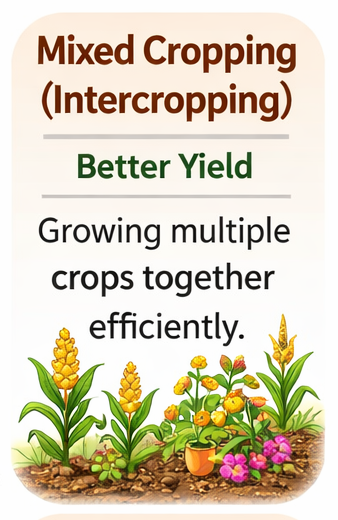
MixedCropping (Intercropping)
Better Yield
Growing multiple crops together efficiently.
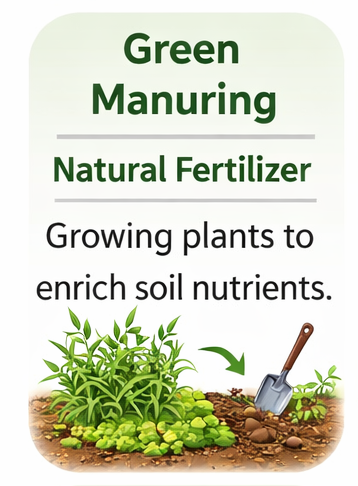
Green Manuring
Natural Fertilizer
Growing plants to enrich soil nutrients.
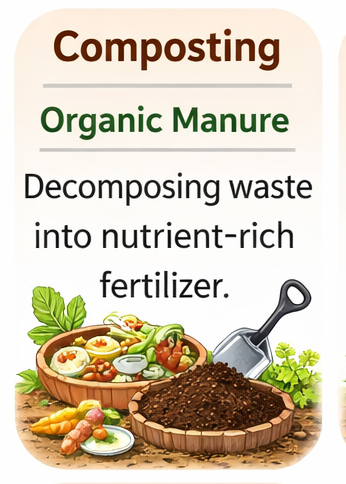
composting
Organic Manure
Decomposing waste into nutrient-rich fertilizer.
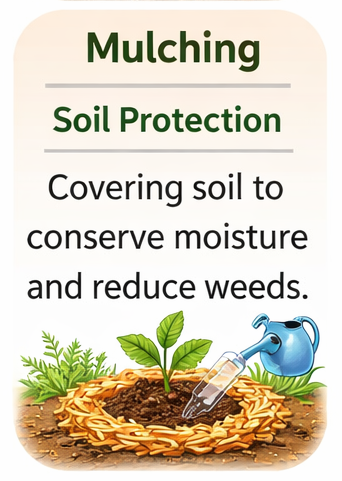
mulching
Soil Protection
Covering soil to conserve moisture and reduce weeds.
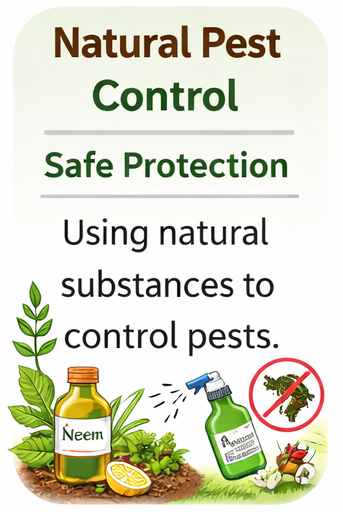
Natural Pest Control
Safe Protection
Using natural substances to control pests.
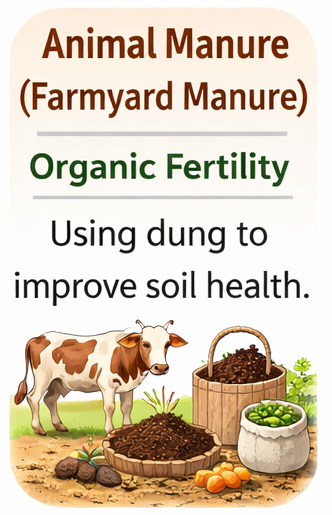
Animal Manure (FarmyardManure)
Organic Fertility
Using dung to improve soil health.

Terrace Farming
Hilly Farming
Growing crops on step-like hill slopes.